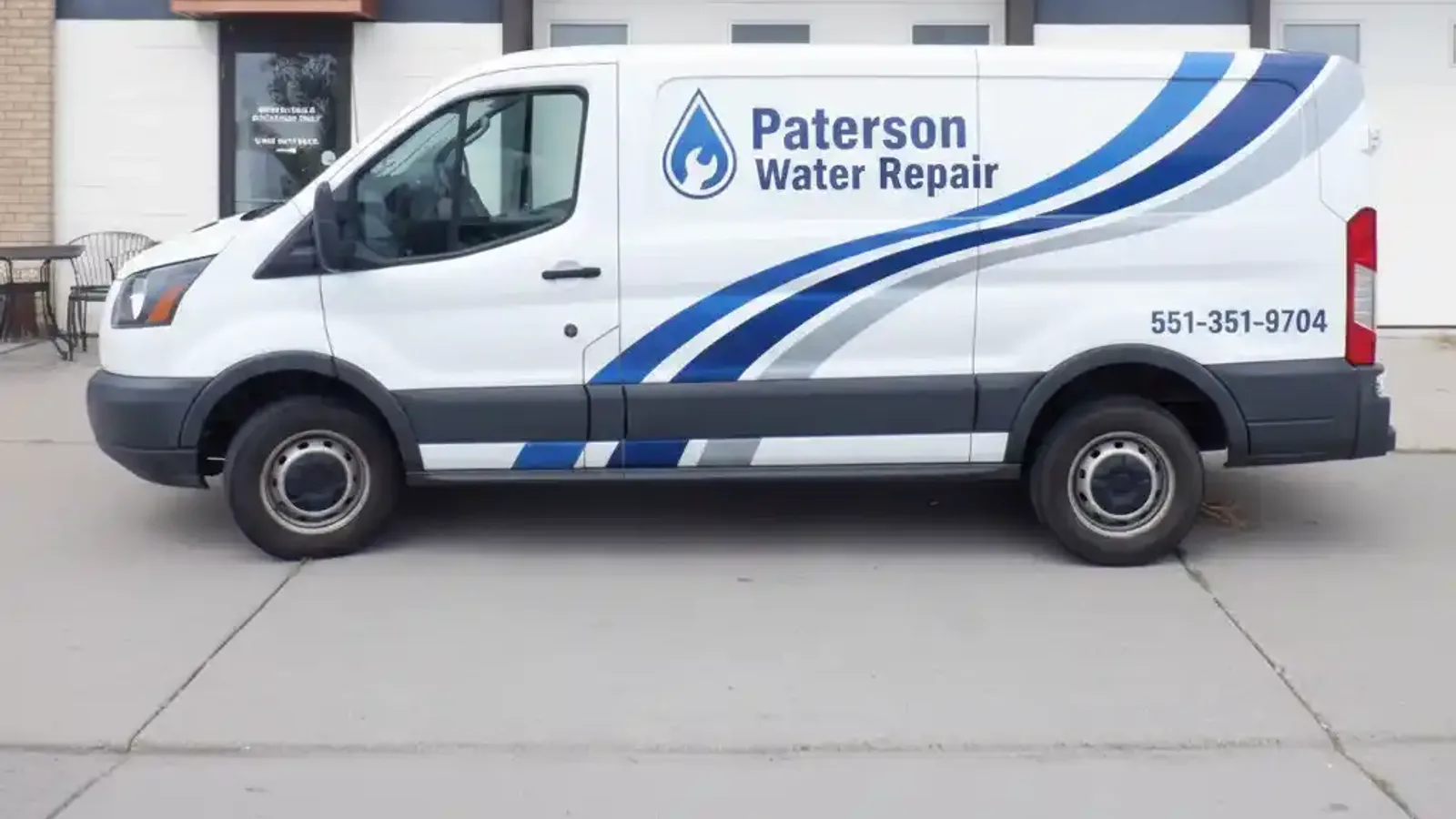
A failed supply line or an overflowing appliance in Paterson can soak a structure long before the damage looks serious on the surface. The team sets containment where needed, runs negative pressure if the loss is large, and verifies dryness point by point before pulling equipment. The split-level and ranch layouts common in Passaic County spread a single failure across several rooms on one floor fast. The whole job is logged — moisture maps, equipment placement, before-and-after readings — and handed over as a complete packet. One ring to 551-351-9704 puts a Paterson extraction truck on the road, any hour.
- 24/7 emergency dispatch
- Truck-mounted extraction
- Industrial drying equipment
- Daily moisture documentation
- Insurance scope-aligned reconstruction
- IICRC S500 protocol
How A Soaked Structure Gets Dried
Standing water is the symptom; the saturation behind it is the actual problem. The framing and the subfloor absorb water and release it slowly, so a structure can read damp for days after the visible water is gone.
Our crew meters every suspect substrate first, maps the full wet boundary, and only then decides what dries in place and what has to come out. Every reading and photograph is logged as we work, so your adjuster gets a provable dry-down rather than a verbal claim.
What A Proper Dry-Out Requires
A contractor who declares "looks dry, we are done" at day three is the one who turns a small loss into a mold claim. The monitored visits continue until every point on the diagram reads in range, then the gear comes out.
A typical dry-out runs three to five days, longer when original hardwood or plaster is involved. A dry-out closed on the numbers is the cheapest insurance against a mold problem behind the new drywall.
How the pieces of your recovery fit together
A property loss in Paterson rarely stays in one lane — water damage restoration often overlaps with post-fire restoration, storm cleanup, air quality remediation, sewage cleanup, rebuild and restoration, and our crew handles all of it under one contract. We dispatch the same standard to Water Damage Restoration in Clifton, Passaic water damage restoration, Garfield water damage restoration, Elmwood Park water damage restoration and everywhere else across Passaic County.
If you searched for local emergency restoration, you have reached a local team — call 551-351-9704 any hour. For background, read Why Paterson's Older Housing Stock Breaks Down When It Floods: A Room-by-Room Guide on our blog, or head back to our Paterson home page to see everything we do.